
Marketing Agency for Maritime Companies
In ocean shipping, the buyer is rarely the end customer. It is a forwarder, a cargo owner with a tender or a procurement team comparing routes and transit times.
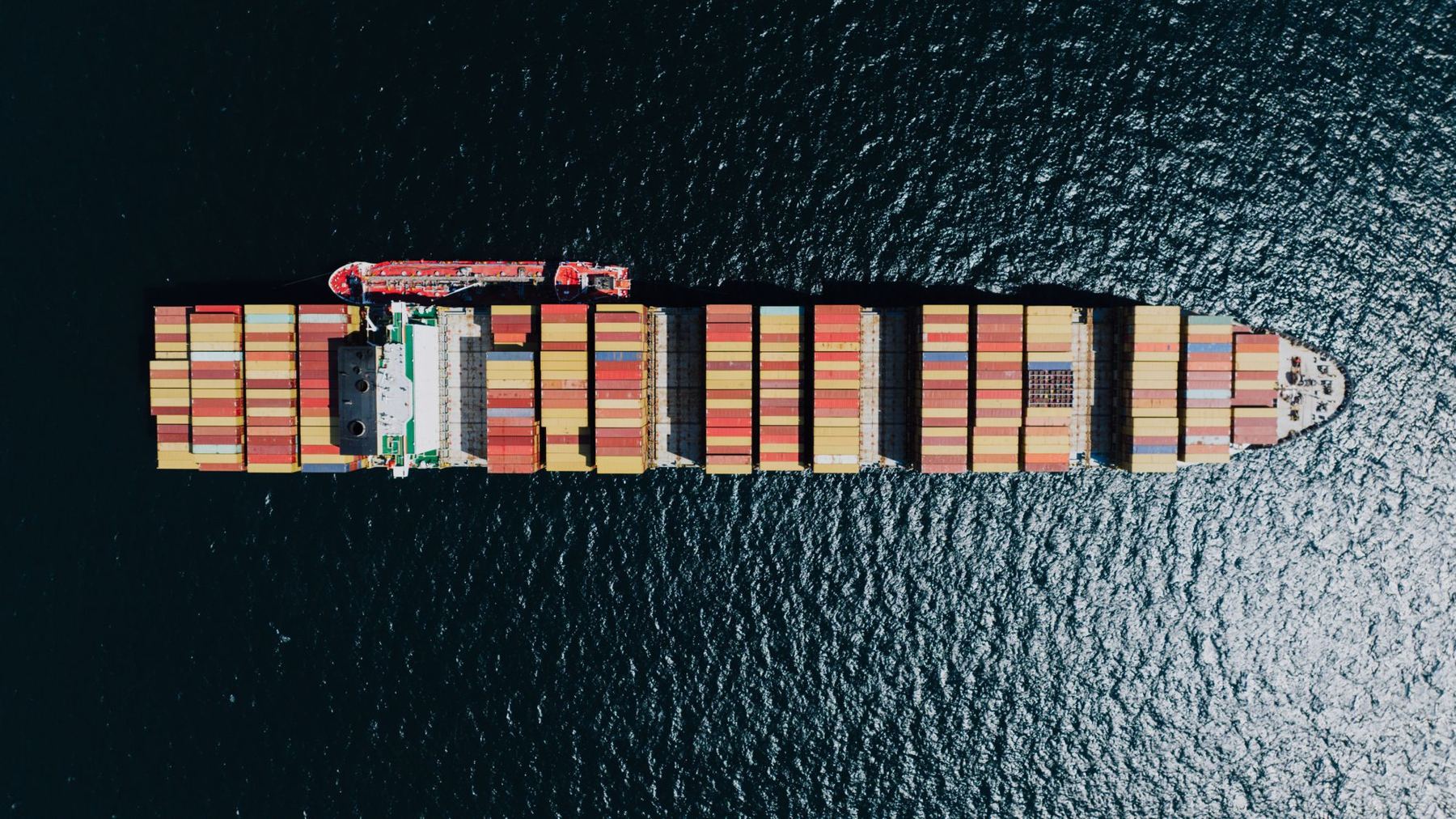
Logistics companies we work with





Why it is different
We help NVOCCs, shipping lines, ship agents and port operators reach those buyers with a clear offer by route and port.
F5 is a digital marketing agency for logistics companies, founded by people who sold ocean freight online. For maritime companies, the offer is written by route, port and schedule.
Why maritime marketing is different
Ocean freight buyers think in routes, ports and schedules. A forwarder looking for a partner from Santos to Rotterdam does not search for "shipping company". They search for the route, the service and the transit time.
Most maritime websites are built for brand: a fleet photo, a history page, a contact form. They rarely answer the three questions a buyer has first: do you serve my route, how often and how long does it take.
That gap matters more now that forwarders and cargo owners ask AI assistants which carriers or NVOCCs serve a route. If your routes are not written down clearly, you are not in the answer.
As a maritime marketing agency, we build around routes, ports and schedules, the same units a forwarder or cargo owner already thinks in. See our method for freight forwarder marketing.
Why F5
Why F5 for Maritime
iContainers was an NVOCC and freight forwarder. Route and port pages are the same format we used to sell ocean freight online.
- 2008 Iván Tintoré co-founds iContainers in Barcelona to book ocean freight online, before anyone called it “digital forwarding.”
- 1M/mo Organic visits the inbound engine, built by Oriol Lampreave, reached before iContainers was acquired by Agility Logistics Group in 2019.
- +60 Logistics companies F5 has marketed, from carriers to freight-tech.
- +5,000 Qualified leads generated for logistics clients, at a +24% average conversion rate.
How we help
How we help maritime companies win more business
F5 helps NVOCCs, shipping lines, ship agents and port operators win more cargo by making their routes and services findable in Google and in AI assistants, reaching forwarders and cargo owners when their trade lanes change, running targeted LinkedIn and search campaigns around tender seasons, and building route pages that answer a quote request before the first call.
- SEO and AI search
GEO
Named when someone asks for a route
Forwarders and importers ask AI assistants which carriers or NVOCCs serve a port pair. We publish route and port pages as direct answers and keep your services consistent across directories, so assistants can cite you.
- SEO and AI search
SEO
Route and port pages that rank
One page per trade lane, port pair and service type, with transit times, equipment and cut-off logic. That is the search a buyer runs before asking for rates, and most maritime sites skip it.
- Outbound marketing
Outbound
Forwarders and BCOs on your trades
Lists built from shipping activity: importers and exporters moving volume on your lanes, and the forwarders that book it. Contact timed to a trigger, such as a new sourcing country or a contract renewal.
- B2B digital marketing
Paid ads
LinkedIn around tender season
LinkedIn campaigns to logistics and procurement titles at target accounts before annual tenders, plus search ads on route and service queries where intent is high enough to pay.
- Website design
Website and CRM
Schedules and quotes buyers can use
Route pages that link to live schedules, a quote form built around port pair and equipment, and CRM tracking by trade lane, so sales knows which routes the marketing is filling.
-
Triggers
Buying triggers our outbound watches for maritime companies
- An importer starts sourcing from a new country on one of your trades
- You launch a new service, rotation or port call
- Annual tender and contract renewal season for ocean freight
- Congestion or disruption pushes cargo owners to look for alternatives
- A forwarder opens an office or a new gateway in your port
Who we work with
Maritime companies we work with
-
NVOCCs
Sells to: Forwarders and importers who need container space and schedules they can resell.
Where marketing starts: Route pages with frequency and transit time, and visibility in AI answers for who serves a lane.
-
Container lines and feeder operators
Sells to: Forwarders, NVOCCs and large cargo owners with contract volume.
Where marketing starts: Tender-ready content, port rotation pages and account-based outreach before tender season.
-
Short-sea and RoRo operators
Sells to: Shippers and forwarders comparing sea routes with road for intra-regional cargo.
Where marketing starts: Sea versus road cost and transit comparisons, and route pages by port pair.
-
Ship agents and port agents
Sells to: Owners, operators and charterers calling at your ports.
Where marketing starts: Port-by-port service pages, disbursement transparency and presence where operators look for agents.
-
Port and terminal operators
Sells to: Shipping lines, forwarders and BCOs deciding where cargo enters a region.
Where marketing starts: Hinterland reach, capacity and dwell-time data, and content aimed at the lines and forwarders who route cargo.
-
Breakbulk, project and tanker carriers
Sells to: Project cargo owners, EPC contractors and charterers with one-off or specialized moves.
Where marketing starts: Project case studies, equipment and vessel capability pages, and targeted outreach to project logistics teams.
-
Marine service providers
Sells to: Operators and owners who need bunkering, surveys, chandlery or marine insurance.
Where marketing starts: Local and port search, fast response on quote requests and proof of certifications.
How a forwarder or cargo owner picks a route
- 1
Needs space on a route
Has cargo from one port range to another and a date to meet.
What we build
Route and port pages that state frequency, transit time and equipment plainly.
- 2
Builds a shortlist
Searches, asks the network and asks AI assistants who serves the route.
What we build
Search and AI visibility for route and port queries, and presence where forwarders look.
- 3
Compares schedules
Checks reliability, cut-offs, free time and who else moves the same cargo.
What we build
Stable service data and case examples, published where both people and machines can read it.
- 4
Sends an RFQ or tender
Asks a few carriers or NVOCCs for rates and conditions.
What we build
Tender-ready service sheets and outreach timed before the tender opens.
- 5
Books and renews
Moves the contract or the regular bookings to you, and reviews it yearly.
What we build
Account content between tenders, so you are the incumbent when the review comes.
Common challenges we see in maritime companies
-
The buyer sits one step away
You sell to forwarders and NVOCCs who then sell to shippers. Marketing aimed at the end shipper misses the person who books the space.
-
Price set by indexes and platforms
Spot rates are public and platforms compare them instantly. Without a clear reason to choose you, the conversation ends at price.
-
Long tender cycles
Contract business is decided once or twice a year. If you are not on the shortlist before the tender opens, you are not in it.
-
Routes and services nobody can find
Schedules, ports and transit times sit in PDFs or behind a login, so neither search engines nor AI assistants can read them.
Our approach
- Website design
Sell the route, not the ship
Route and port pages with frequency, transit time, equipment and cut-offs: the answers a buyer needs to send a quote request.
- SEO for logistics
Visible in AI answers
Structured content and entity work so assistants like ChatGPT and Google AI Overviews name you when someone asks who serves a route.
- Outbound marketing
Account-based outbound
Target lists of forwarders, NVOCCs and cargo owners active on your routes, with messaging built around their lanes and tender calendar.
- Inbound marketing
Tender-ready content
Service sheets, compliance and sustainability data, and case examples that procurement teams can drop straight into an evaluation.
The process
How this works in practice
Our work with maritime companies usually includes:
- 1 Route, port and service inventory, ranked by margin and capacity
- 2 Website structure with route and port pages built from that inventory
- 3 Search and AI visibility for route, port and service queries
- 4 Target account lists of forwarders, NVOCCs and cargo owners on your trade lanes
- 5 Outbound and LinkedIn sequences timed to tender seasons
- 6 CRM setup that tracks quote requests by route
Key outcomes
What this enables for your business
- Quote requests that name a route you actually serve
- A place on the shortlist before tenders open
- Visibility in search and AI answers for your routes and ports
- Less dependence on rate platforms for new business
- Pipeline numbers by route, not just total leads
Right fit
Who this is not for
This is not a fit for maritime companies that:
- Compete only on spot price with no service difference
- Cannot share which routes and ports they want to grow
- Want brand awareness without a commercial target
- Have no one to answer quote requests within a day
Proven results
Case studies
How ocean freight companies have turned their website into a business development channel. More in our case studies.
Interworld Freight, a freight forwarder and NVOCC in Miami, came to F5 with a website that generated nothing. We rebuilt it, targeted the trade lanes their shippers search for, and made the website their main business development channel.
Read the case study-
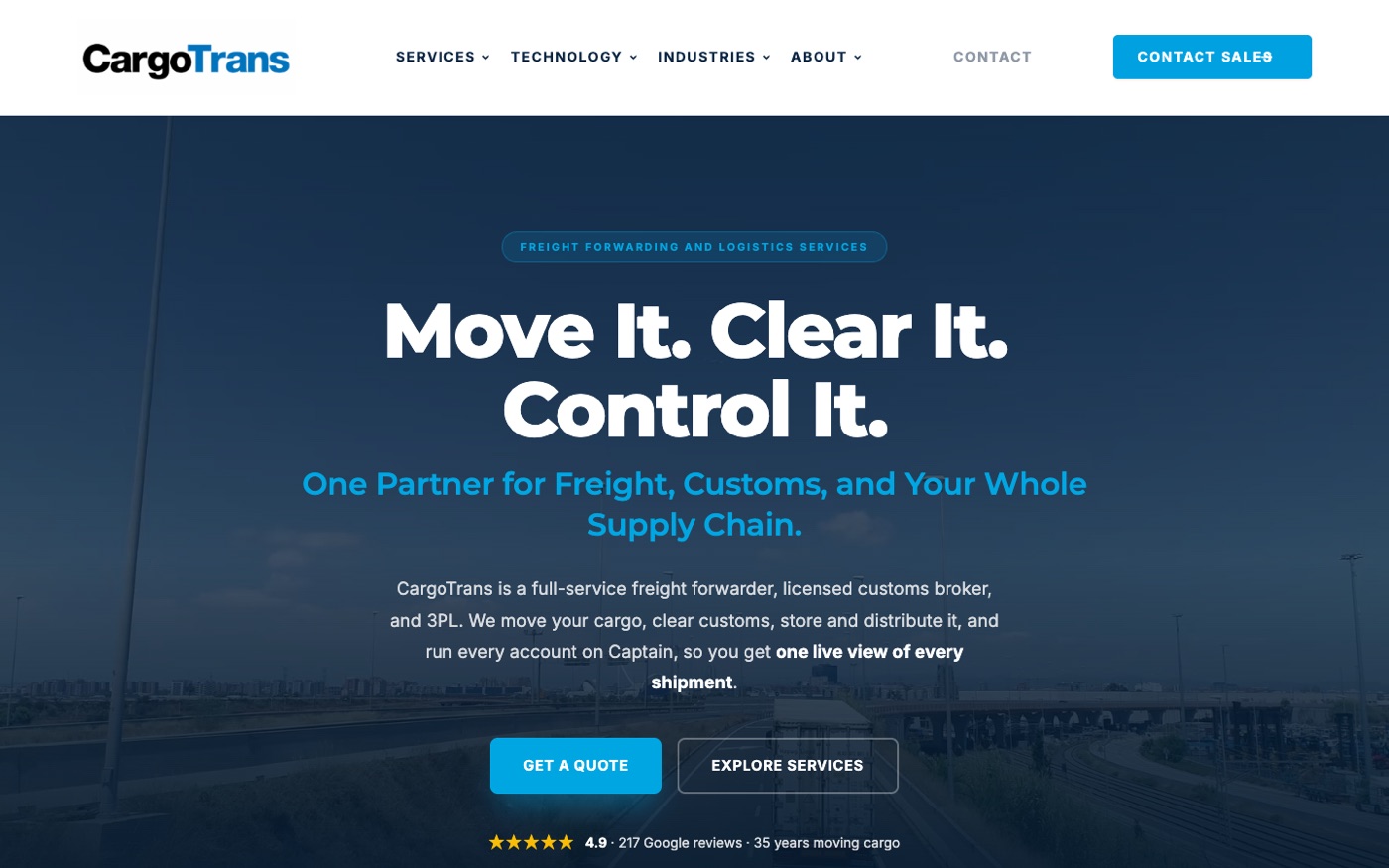 Customs broker & 3PL · New York, since 1989
CargoTrans
“They understand tariffs and trade compliance well enough to write about it; we only need to correct small details.”
Anthony DeFilippis, Co-CEO -
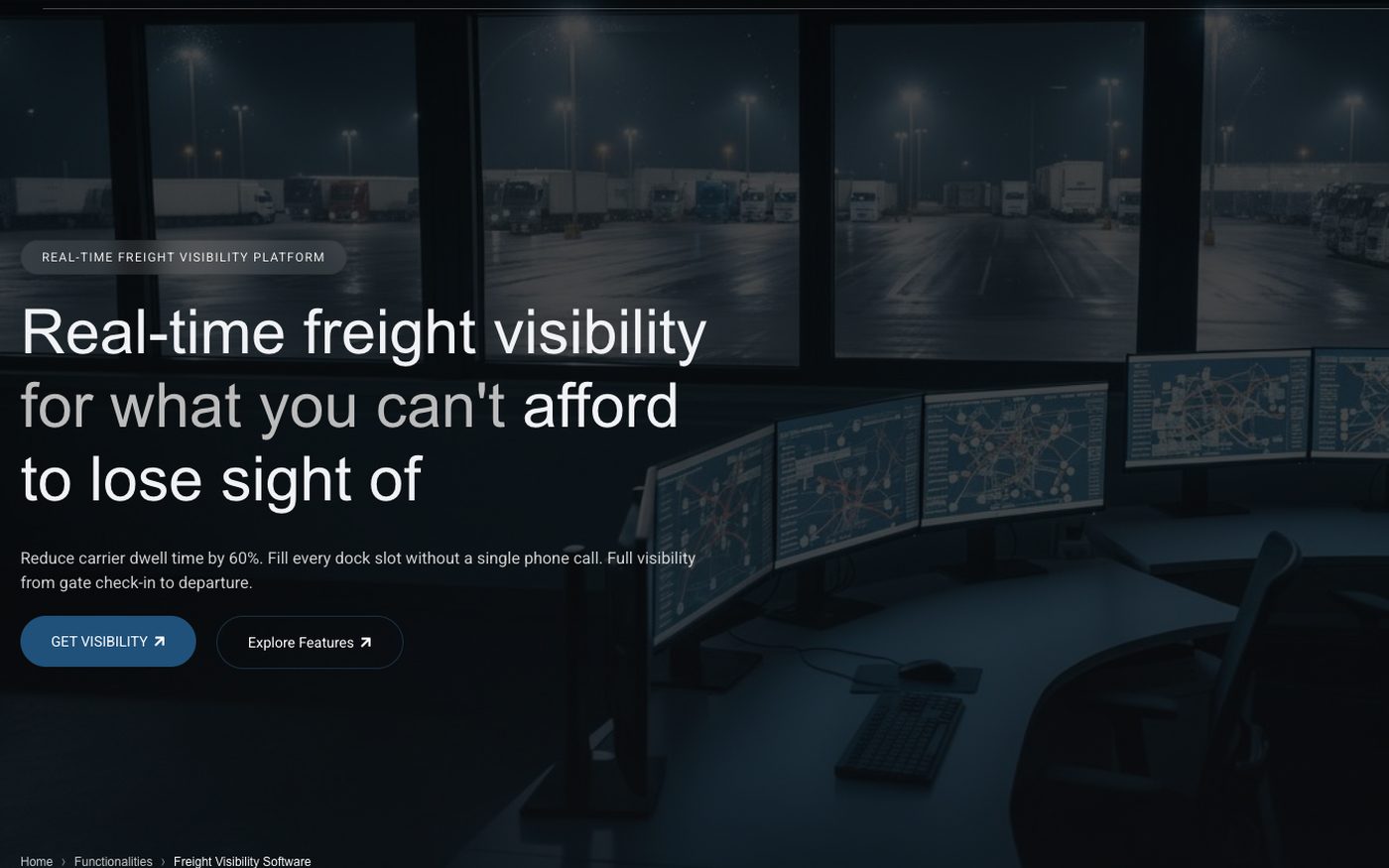 Freight management platform · UK
Trucks on the Map
A strong product with no website behind it. Built from zero around the four problems a transport planner has, with demo booking as the goal.
-
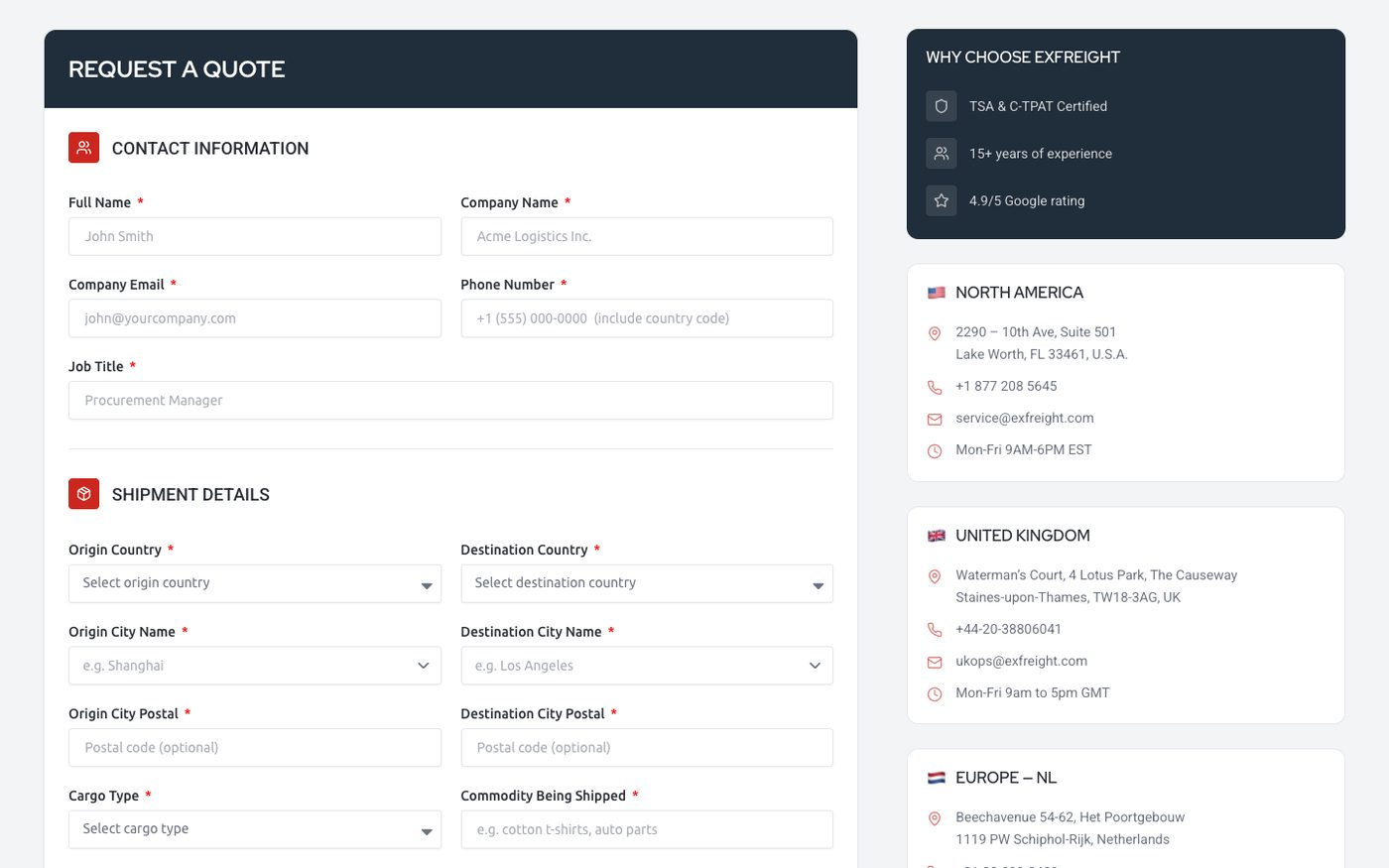 Freight forwarder · Florida
ExFreight
A site broken by a failed update. Rebuilt with plain-language service pages, a one-minute quote flow and every RFQ tracked.
Learn more
Related insights and resources
More on marketing for freight forwarders and NVOCCs, port and terminal operators and competing with digital forwarders.
More industries
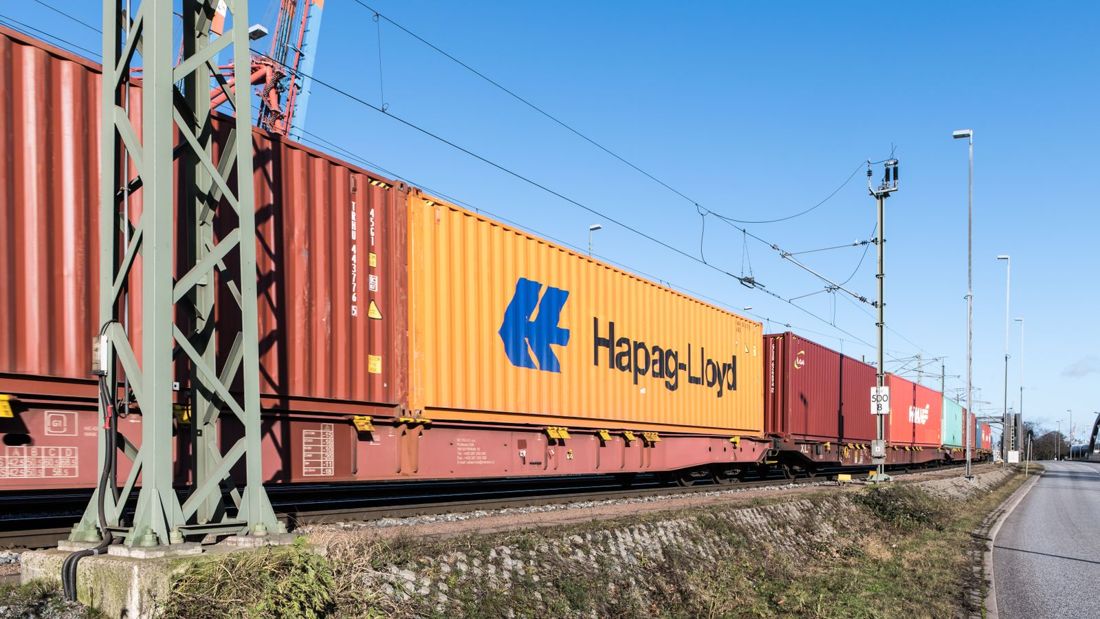
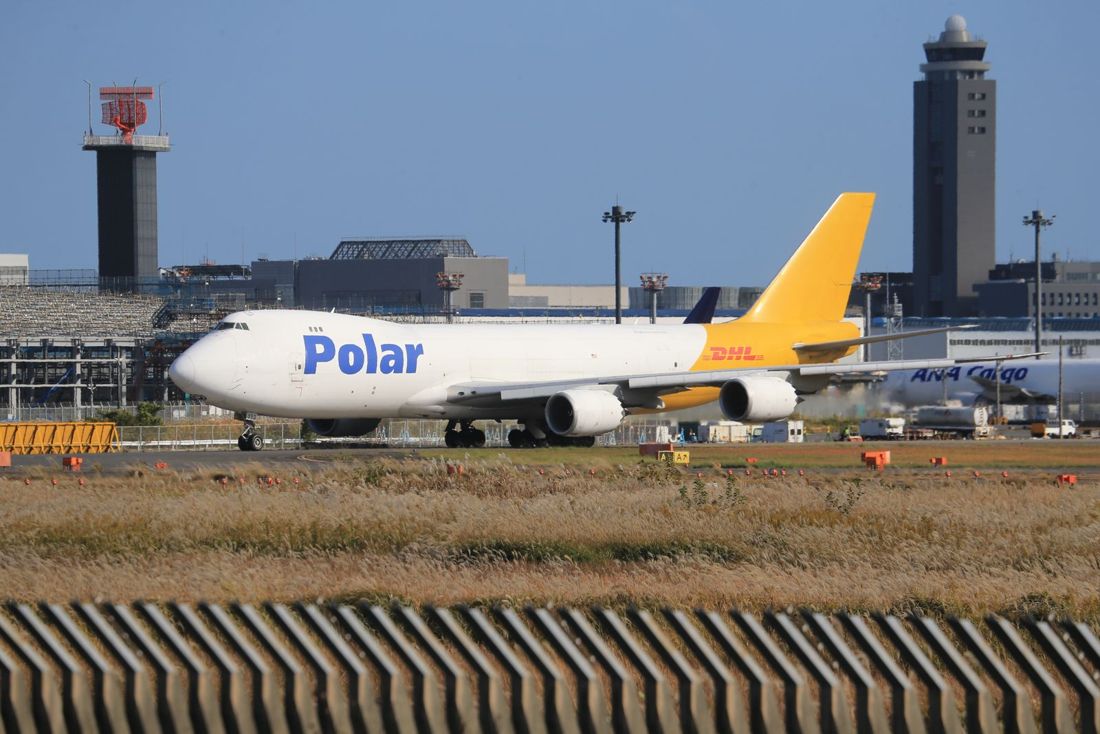
Other logistics companies we market




FAQ
Questions about maritime marketing
How do shipping companies get new customers?
+
How do shipping companies get new customers?
+Mostly through forwarders, tenders and relationships, which is why visibility on specific routes matters. Buyers compare carriers and NVOCCs by port pair, transit time and reliability. Route pages that answer those questions, outbound to forwarders and cargo owners on your trades, and campaigns timed to tender season bring new conversations without discounting.
We sell through forwarders. Does inbound marketing still make sense?
+
We sell through forwarders. Does inbound marketing still make sense?
+Yes, aimed at the forwarders. They need to know your services, schedules and how easy you are to work with. Inbound becomes a resource for the buyer one step away, while outbound and account-based work reach the cargo owners who influence the routing.
Can AI assistants recommend our shipping line or NVOCC?
+
Can AI assistants recommend our shipping line or NVOCC?
+They can when your routes and services are described clearly and the same way everywhere. We publish route pages written as answers, align directory and LinkedIn data, and measure how often ChatGPT, Perplexity, Gemini and Claude name you for your trades. See GEO for logistics.
How do you handle schedules and rates that change every week?
+
How do you handle schedules and rates that change every week?
+Pages describe what is stable: routes, port pairs, equipment, transit ranges and how to book. Live schedules and rates stay in your booking tools and are linked from those pages. That keeps content accurate without weekly rewrites.
Does LinkedIn advertising work in maritime?
+
Does LinkedIn advertising work in maritime?
+It works for account-based campaigns: a defined list of forwarders and cargo owners, logistics and procurement titles, and a message tied to a route or a tender. It rarely works as broad awareness. We judge it on meetings with target accounts, not impressions.
Which maritime companies do you work with?
+
Which maritime companies do you work with?
+NVOCCs, shipping lines with a commercial team, ship agents, port operators and maritime service providers. Our founders built iContainers, an online ocean freight forwarder acquired by Agility Logistics, so ocean freight is familiar ground.
Do you only work in English?
+
Do you only work in English?
+No. We work in English and Spanish, which covers the US, Latin America and Spain. For other markets we build in English and adapt route pages where a local language is needed.
How long until marketing shows results for a maritime company?
+
How long until marketing shows results for a maritime company?
+Outbound to forwarders and LinkedIn campaigns can open conversations within weeks. Route and port pages usually start ranking within three to six months. Because maritime decisions follow tender cycles, we plan the calendar around when your buyers actually decide.
Get in touch
Talk to us about your routes
Tell us what you sell and who buys it. We will tell you, honestly, whether this is the right channel for you and what it would take.
- 1 We reply within one business day, from a person, not a sequence.
- 2 A 30-minute call on what you sell, to whom, and how you close today.
- 3 If we can build demand for it, we say what it would take. If not, we say that too.
Prefer to talk now? Pick a 30-minute slot or write to hi@f5-out.io.