
Marketing Agency for Supply Chain Technology Companies
Supply chain software is bought by people who run operations. They distrust demos, compare everything and bring IT, finance and the warehouse floor into the decision.

Logistics companies we work with





Why it is different
We help TMS, WMS, visibility and freight tech companies reach those buyers with proof they can check.
F5 is a digital marketing agency for logistics companies, not a SaaS agency. For software vendors, that means writing for the operator who will use the tool.
Why supply chain software marketing is different
Your buyer is a transport manager, a warehouse director or a head of logistics. They know the operation better than any marketer, and they can tell in one paragraph whether you do too.
They also search differently from most SaaS buyers. They search for the problem in operational terms (dock scheduling for distribution centers, carrier visibility for brokers, eCMR for road freight) and then for alternatives to the tool they already use.
The sales cycle is long and shared. A shipper evaluating a visibility platform may involve operations, procurement, IT and the carriers who have to adopt it.
As a supply chain marketing agency that comes from logistics, not from software, we write for the operator first. For the broader discipline, see our supply chain marketing guide.
Why F5
Why F5 for Supply chain tech
iContainers sold software-like buying cycles into logistics operators from the inside. We know how that sale gets evaluated.
- 2008 Iván Tintoré co-founds iContainers in Barcelona to book ocean freight online, before anyone called it “digital forwarding.”
- 1M/mo Organic visits the inbound engine, built by Oriol Lampreave, reached before iContainers was acquired by Agility Logistics Group in 2019.
- +60 Logistics companies F5 has marketed, from carriers to freight-tech.
- +5,000 Qualified leads generated for logistics clients, at a +24% average conversion rate.
How we help
How we help supply chain technology companies win more business
F5 helps TMS, WMS, visibility and freight tech companies win more pipeline by getting named in AI assistants and comparison searches, publishing use-case pages written for operations buyers, running outbound and LinkedIn campaigns on intent and hiring signals, and connecting every demo request to revenue in the CRM.
- SEO and AI search
GEO
On the shortlist AI builds
Buyers ask ChatGPT and Perplexity for "the best TMS for a mid-size 3PL". We make your category, integrations and customer types consistent across your site, review sites and listicles, so assistants put you on that list.
- SEO and AI search
SEO
Use cases and comparisons that rank
Pages by use case, integration and buyer type, and honest comparison pages. Written in the language of freight and warehouse operations, not generic SaaS copy, because that is how your buyers search.
- Outbound marketing
Outbound
Accounts showing a signal
Outbound and ABM to logistics companies that show intent: comparison-site research, hiring for TMS or WMS roles, a new warehouse, a funding round. Messages written by people who know the operation.
- B2B digital marketing
Paid ads
Search and LinkedIn with tight targeting
Google Ads on category and competitor-alternative queries, and LinkedIn to operations, IT and finance titles at target accounts. Budgets set against cost per qualified demo, not clicks.
- Website design
Website and CRM
From demo request to closed deal
Demo and pricing paths that qualify by company size and use case, and CRM attribution from first touch to closed deal, so marketing is measured in pipeline.
-
Triggers
Buying triggers our outbound watches for supply chain tech
- A logistics company hires for TMS, WMS or supply chain systems roles
- Research activity on review and comparison sites in your category
- A new warehouse, region or service line that the current system cannot handle
- A funding round, acquisition or change of leadership in operations or IT
- A competitor sunsets a product or changes its pricing
Who we work with
Supply chain technology companies we work with
-
Transportation management systems (TMS)
Sells to: Shippers, 3PLs and brokers replacing spreadsheets or an outgrown TMS.
Where marketing starts: Use-case pages by shipper profile, integration pages and comparisons against the tools they already use.
-
Warehouse management systems (WMS)
Sells to: 3PLs, distributors and brands running one or many warehouses.
Where marketing starts: Pages by warehouse type and workflow, and proof of go-live timelines.
-
Freight visibility and tracking
Sells to: Shippers and brokers who need real-time location and ETAs across carriers.
Where marketing starts: Carrier adoption proof, alternatives pages and content for control tower and customer service teams.
-
Dock and yard management
Sells to: Distribution centers and manufacturers with congestion at the gate or the dock.
Where marketing starts: Use cases by facility type, ROI in detention and waiting time, and demos aimed at site managers.
-
Digital freight platforms
Sells to: Shippers and carriers looking for capacity, quotes or loads online.
Where marketing starts: Two-sided acquisition: shipper search pages and carrier onboarding content that work together.
-
Customs and trade compliance software
Sells to: Importers, exporters and customs brokers handling filings, classification and tariffs.
Where marketing starts: Regulatory content that follows each tariff change, and pages built for trade compliance teams.
-
Fleet telematics and ELD
Sells to: Carriers and private fleets managing safety, compliance and fuel.
Where marketing starts: Pages by fleet size and use case, and comparison content for buyers switching providers.
How an operations team buys software
- 1
Hits a problem
Detention bills, blind spots on carriers or a dock that jams every Monday.
What we build
Use-case pages written in the operator's words, found when they search the problem.
- 2
Researches the category
Learns what kind of tool solves it and which vendors exist.
What we build
Category and comparison content, and visibility in AI answers for the category.
- 3
Builds a buying group
Brings in IT, finance, procurement and sometimes the carriers.
What we build
Proof for each stakeholder: integrations, security, ROI and adoption data.
- 4
Runs a demo and a pilot
Tests the tool on one site, one lane or one team.
What we build
Pilot playbooks and case examples that show a realistic go-live.
- 5
Rolls out and expands
Extends to more sites, modes or regions once the pilot works.
What we build
Expansion content and account-based campaigns aimed at the next site.
Common challenges we see in supply chain tech companies
-
Category confusion
TMS, visibility platform, control tower, digital freight platform. Buyers do not share your category name, so they do not find you under it.
-
Content written for software buyers
Feature lists and generic SaaS messaging do not convince someone who runs 40 docks. They want the operational outcome, in their words.
-
Competing with much larger budgets
The category leaders outspend you on ads and events. You need to win the specific use cases and comparisons where you are the better fit.
-
Long, multi-person decisions
Operations likes the demo, then IT, finance or the carriers stall it. Marketing that only speaks to one of them leaves the deal half sold.
Our approach
- SEO for logistics
Use cases, not features
Pages built around the operational problem and the buyer who has it: by mode, facility type and role, in the words they search with.
- Inbound marketing
Win the comparison
Alternative and comparison pages that are honest about fit. Buyers look for them anyway, and they convert better than any feature page.
- Website design
Integration and adoption proof
Integration pages, onboarding timelines and carrier adoption data, so IT and operations can both say yes.
- B2B digital marketing
Demand generation with intent
Account lists built on buying signals, and outbound and content aimed at the accounts already in market.
The process
How this works in practice
Our work with supply chain technology companies usually includes:
- 1 Positioning and category research: how buyers name the problem, and where you win against larger competitors
- 2 Use-case, integration and comparison pages mapped to real search demand
- 3 Search and AI visibility for problem, category and alternative queries
- 4 Intent-based account lists and outbound to operations and procurement
- 5 Content for each person in the buying group, from the warehouse to IT
- 6 CRM and attribution from first visit to closed deal
Key outcomes
What this enables for your business
- Demo requests from operators who already understand the problem you solve
- Presence in the comparisons and alternatives buyers read before shortlisting
- A clear position in a crowded category
- Shorter cycles because each stakeholder has the proof they need
- Pipeline you can trace back to the channel and the page that started it
Right fit
Who this is not for
This is not a fit for supply chain tech companies that:
- Have not found a first group of paying customers yet
- Want top-of-funnel traffic without a pipeline target
- Sell to every industry and do not want to lead with logistics
- Cannot put a product or operations expert in front of us for a few hours a month
Proven results
Case studies
How logistics companies have built predictable inbound growth. More in our case studies.
Interworld Freight, a freight forwarder and NVOCC in Miami, came to F5 with a website that generated nothing. We rebuilt it, targeted the trade lanes their shippers search for, and made the website their main business development channel.
Read the case study-
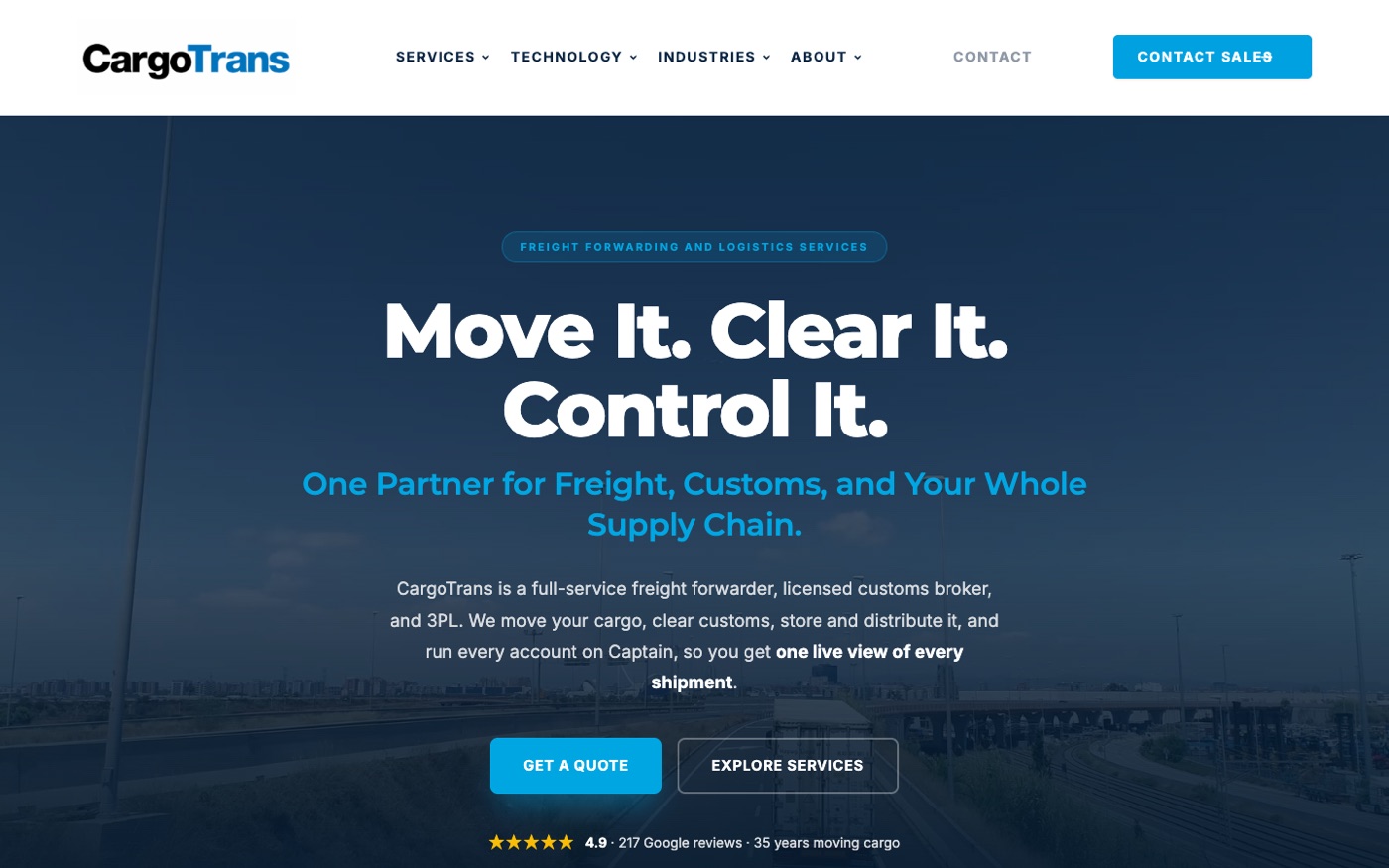 Customs broker & 3PL · New York, since 1989
CargoTrans
“They understand tariffs and trade compliance well enough to write about it; we only need to correct small details.”
Anthony DeFilippis, Co-CEO -
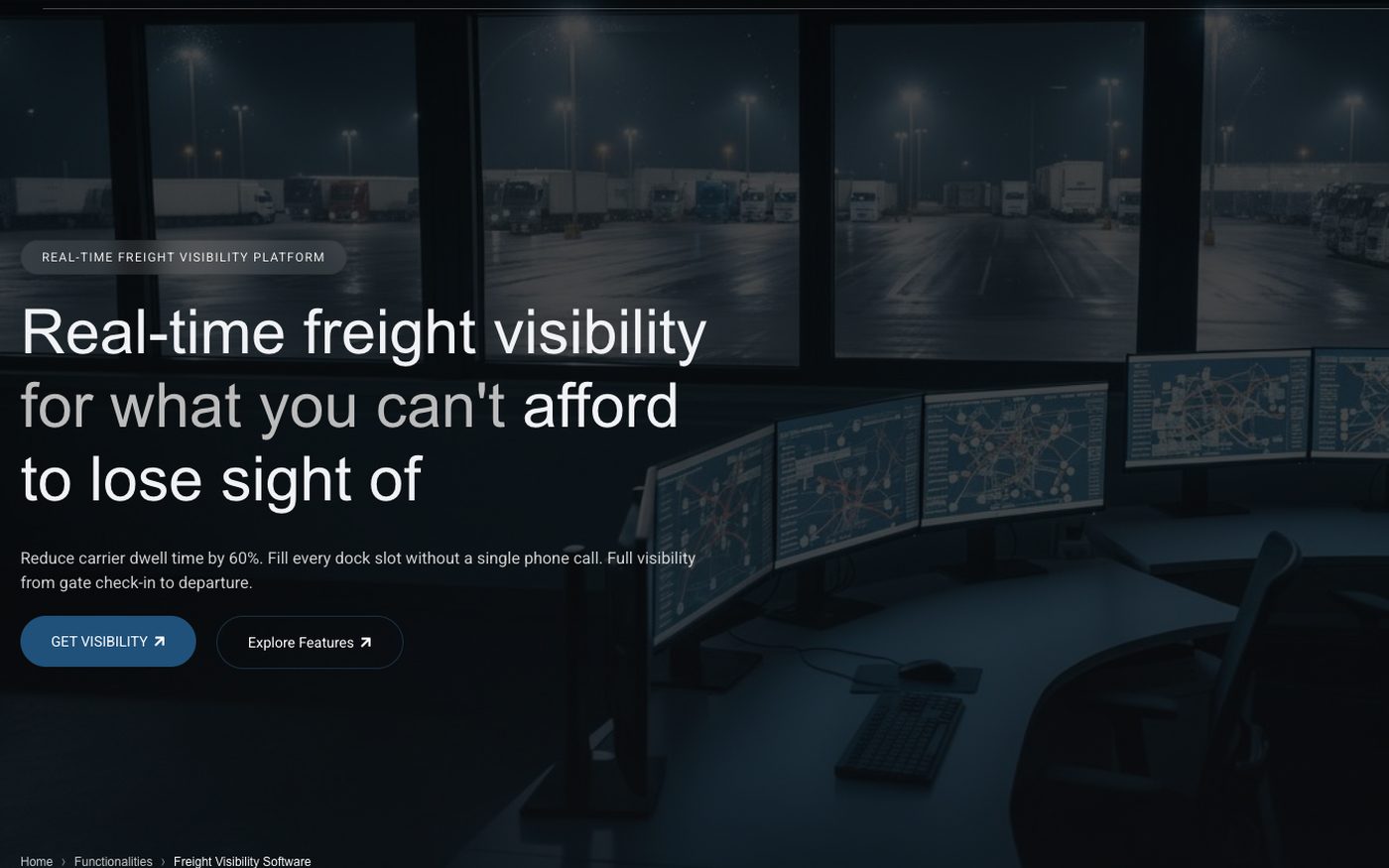 Freight management platform · UK
Trucks on the Map
A strong product with no website behind it. Built from zero around the four problems a transport planner has, with demo booking as the goal.
-
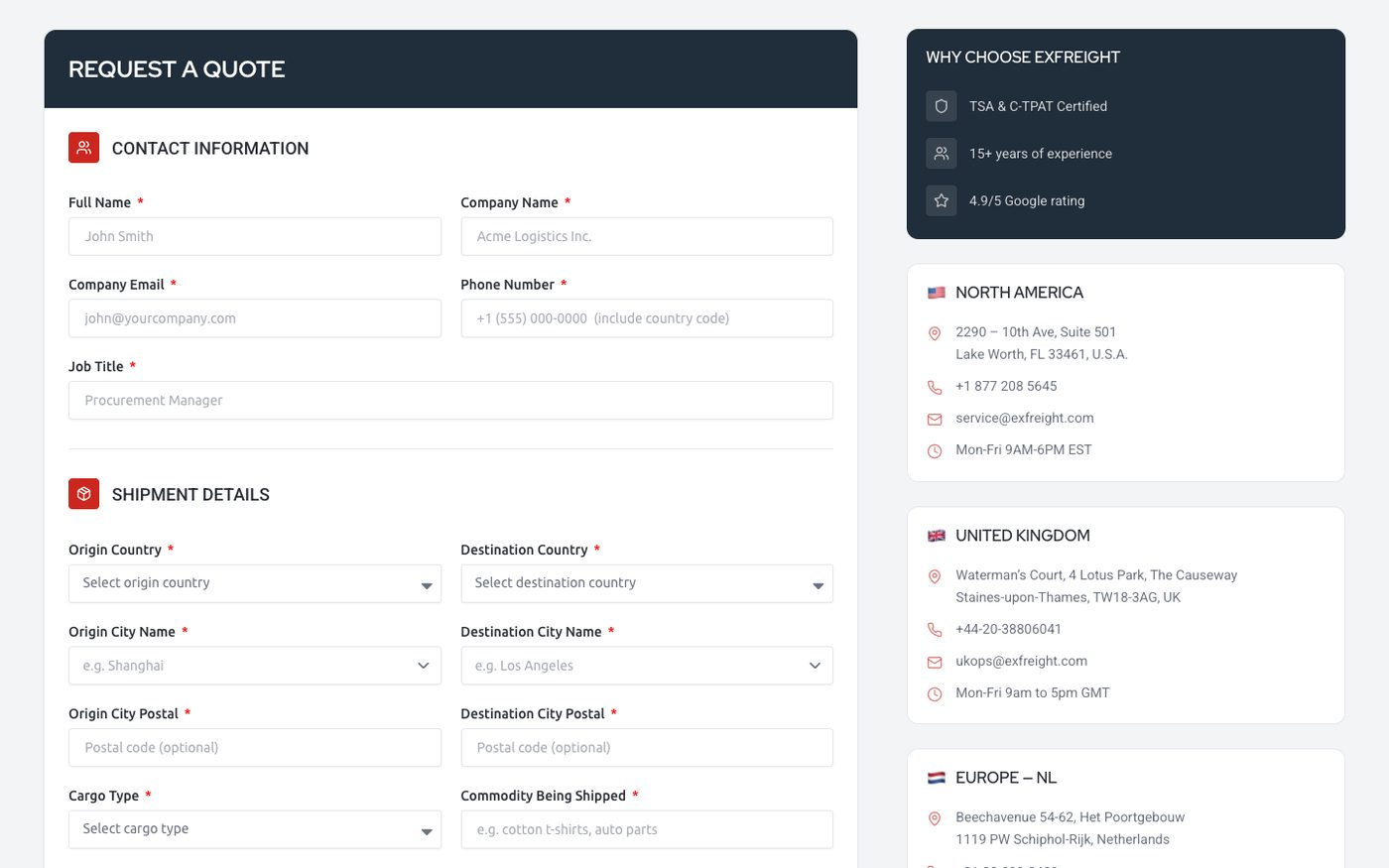 Freight forwarder · Florida
ExFreight
A site broken by a failed update. Rebuilt with plain-language service pages, a one-minute quote flow and every RFQ tracked.
Learn more
Related insights and resources
More on demand generation, intent data and CRM for logistics and supply chain companies.



More industries
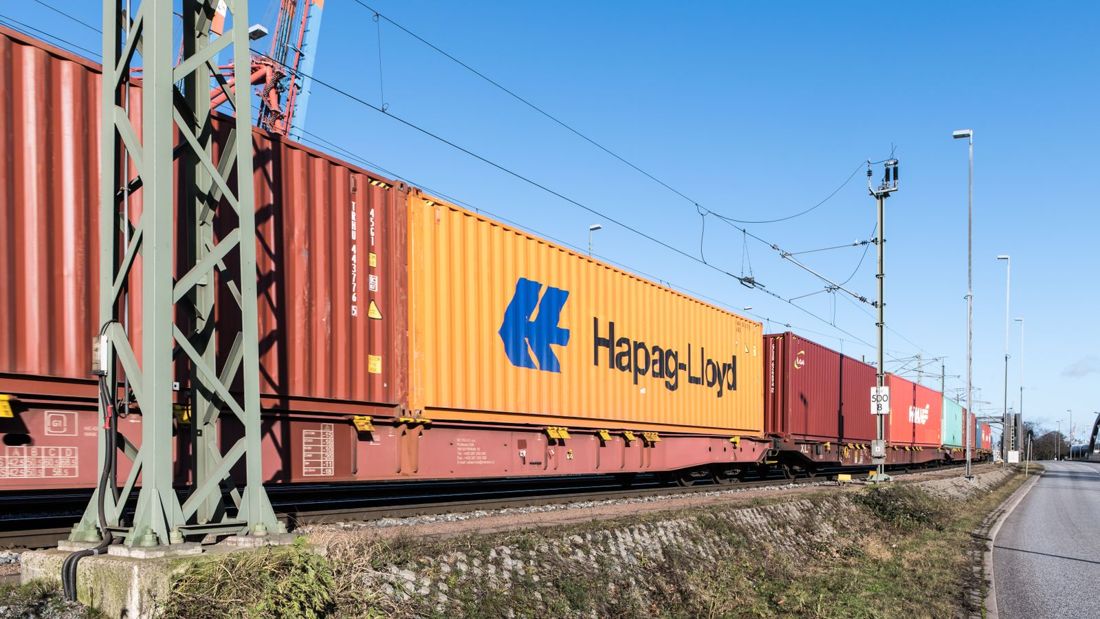
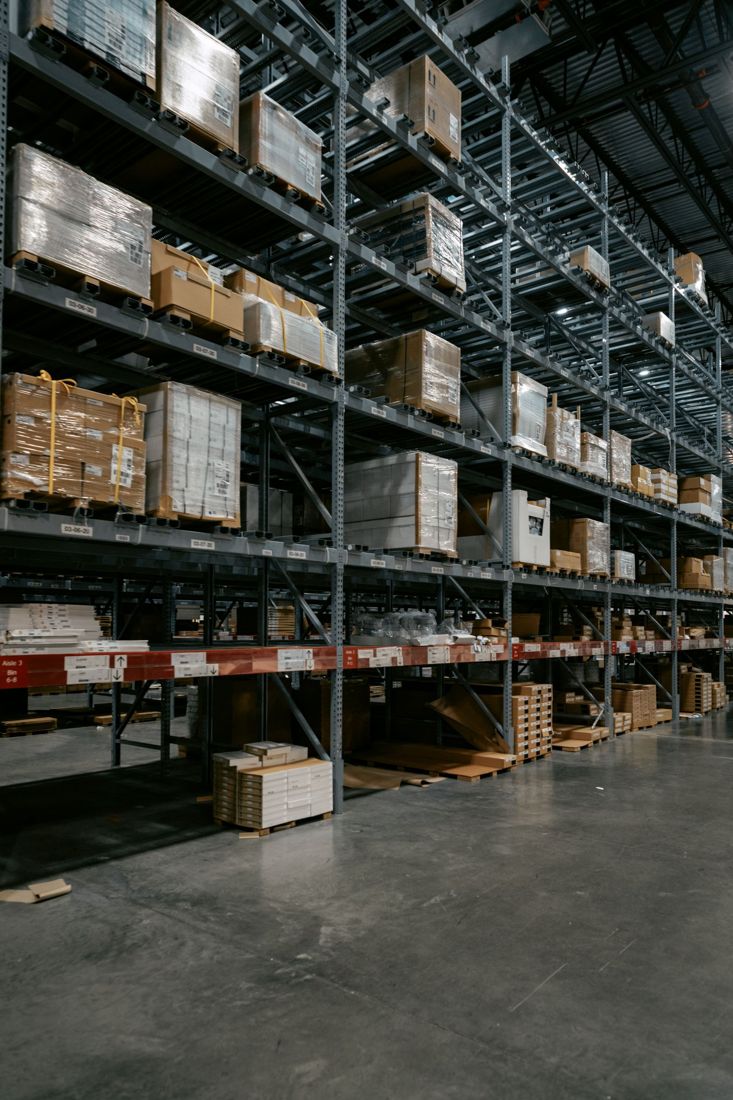
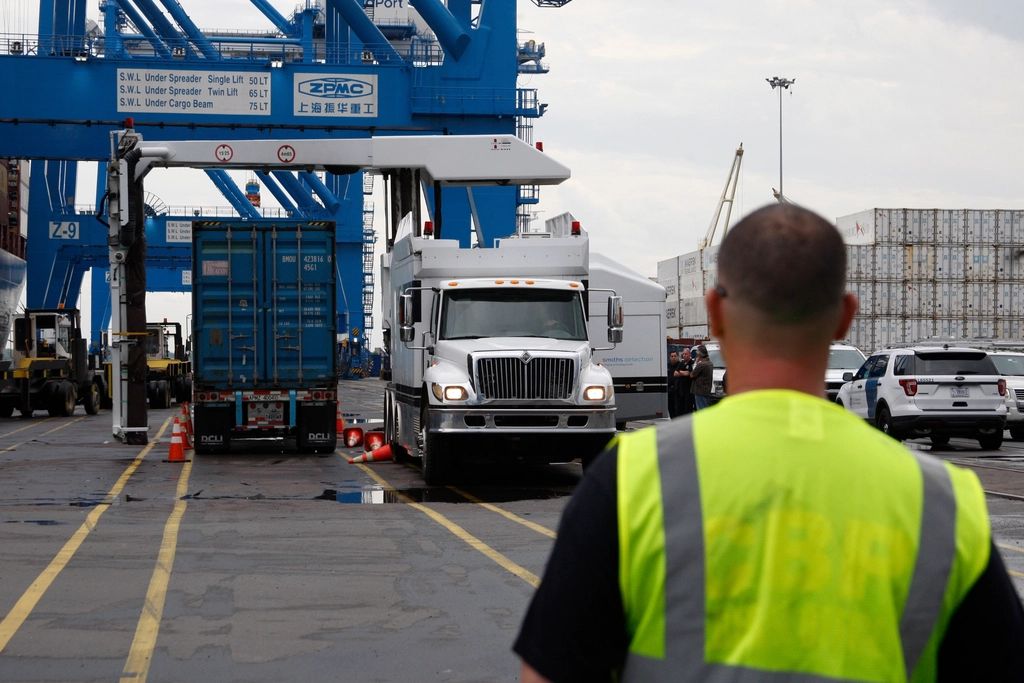
Other logistics companies we market






FAQ
Questions about supply chain tech marketing
How do supply chain software companies generate leads?
+
How do supply chain software companies generate leads?
+Through a mix of search, comparison content, outbound and partnerships. The companies that grow fastest are specific about who they serve, publish pages for each use case and integration, and contact accounts when they show a signal, such as hiring for a systems role or researching alternatives.
Why a logistics agency instead of a SaaS marketing agency?
+
Why a logistics agency instead of a SaaS marketing agency?
+SaaS agencies know funnels; they rarely know how a 3PL quotes, how a broker covers a load or why a TMS migration scares an operations director. Your buyers notice. We write and target in the language of the operation, which is what makes outbound replies and content credible.
Can you get our software recommended by ChatGPT?
+
Can you get our software recommended by ChatGPT?
+We can make it much more likely. Assistants build shortlists from your site, review platforms, comparison articles and listicles. We align those sources, publish answer-first category and comparison pages and track how often you are named across ChatGPT, Perplexity, Gemini and Claude. Read GEO for logistics.
Do you write comparison pages that name competitors?
+
Do you write comparison pages that name competitors?
+Yes, when they are fair. Comparison and alternative pages are some of the highest-intent pages in software. We write them with real differences, cite public information and avoid claims a competitor could dispute.
Do you work with early-stage logistics startups?
+
Do you work with early-stage logistics startups?
+Yes, once there is a product in use and a clear first customer type. Before that, the best marketing is the founder talking to buyers. We often start with positioning and outbound, then add content as the category story settles.
Will AI replace supply chain management software?
+
Will AI replace supply chain management software?
+Not the systems of record. AI is being built into TMS, WMS and visibility platforms for forecasting, exception handling and document processing. For marketing, that means buyers ask what your AI actually does in their operation, and pages that answer that plainly win trust.
Can you work with our product marketing team?
+
Can you work with our product marketing team?
+Yes. Product marketing owns positioning and launches; we bring search, AI visibility, outbound and the logistics vocabulary. We agree who writes what and share one CRM view of pipeline.
How do you measure success?
+
How do you measure success?
+Qualified demos and pipeline by channel, then closed revenue. Traffic and rankings are leading indicators we report, but the engagement is judged on meetings with the accounts you want and deals they become.
Get in touch
Talk to us about your pipeline
Tell us what you sell and who buys it. We will tell you, honestly, whether this is the right channel for you and what it would take.
- 1 We reply within one business day, from a person, not a sequence.
- 2 A 30-minute call on what you sell, to whom, and how you close today.
- 3 If we can build demand for it, we say what it would take. If not, we say that too.
Prefer to talk now? Pick a 30-minute slot or write to hi@f5-out.io.