
Marketing Agency for Trucking Companies
Most carriers grow through a few brokers and a handful of direct shippers. That works until rates drop and the broker keeps the margin.
Logistics companies we work with





Why it is different
We help trucking and drayage companies win direct shippers on the lanes they already run, so more of the freight arrives without a middleman.
F5 is a digital marketing agency for logistics companies. For carriers, that means lanes, equipment and local search before generic freight keywords.
Why marketing is different for trucking companies
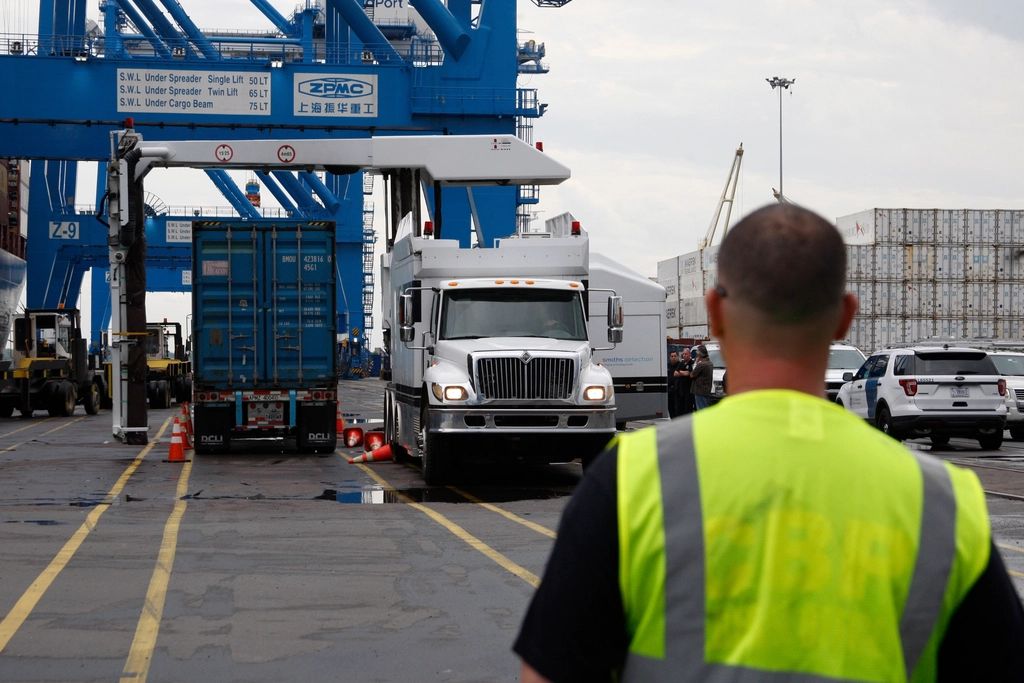
Shippers do not look for "a trucking company". They look for a carrier with the right equipment on a specific lane: reefer from the Central Valley to Phoenix, flatbed out of Houston, drayage at the Port of Savannah.
That search is local and specific. It happens on Google Maps, in lane searches and, more and more, in AI assistants asked for a carrier that covers a route.
There is also a second audience. The same website that has to convince a logistics manager has to convince a driver to apply, and both check the same things first: your safety record, your equipment and whether you answer the phone.
As a trucking marketing agency, we build around lanes, equipment and trust signals, not around generic freight keywords. If you only need search, our guide to SEO for trucking companies covers that channel on its own.
Why F5
Why F5 for Trucking
Our founders sold ocean freight online, not truckloads, but the playbook is the same: make the offer specific, lane, equipment, service area, so buyers self-qualify before they call.
- 2008 Iván Tintoré co-founds iContainers in Barcelona to book ocean freight online, before anyone called it “digital forwarding.”
- 1M/mo Organic visits the inbound engine, built by Oriol Lampreave, reached before iContainers was acquired by Agility Logistics Group in 2019.
- +60 Logistics companies F5 has marketed, from carriers to freight-tech.
- +5,000 Qualified leads generated for logistics clients, at a +24% average conversion rate.
How we help
How we help trucking companies win more business
F5 helps trucking companies win direct shippers on the lanes they already run by combining five channels: lane and equipment pages that rank in Google and Maps, visibility in AI assistants such as ChatGPT and Perplexity, outbound to shippers that show a buying trigger on your corridors, search ads on high-intent lane queries, and a website that turns a visit into a rate request.
- SEO and AI search
GEO
Be the carrier AI names for a lane
Shippers now ask ChatGPT or Perplexity for "a reefer carrier from Fresno to Phoenix". We make your lanes, equipment, MC/DOT data and reviews consistent across your site, directories and listicles, so assistants can name you with confidence.
- SEO and AI search
SEO and Maps
Own the local and lane search
A Google Business Profile for every terminal, lane and equipment pages, and service-area pages for the metros you cover. That is where a logistics manager nearby looks before calling anyone.
- Outbound marketing
Outbound
Shippers on your lanes, at the right moment
We build lists of shippers moving freight on your corridors and contact them when something changes: a new plant, a carrier leaving the lane, a bid season. Short sequences that lead with capacity, not a brochure.
- B2B digital marketing
Paid ads
Search ads on lanes that pay
Google Ads on lane, equipment and "carrier near me" queries, with negatives that keep out job seekers and load-board traffic. LinkedIn retargeting for shippers who already visited your lane pages.
- Website design
Website and CRM
From visit to first load
A proof block with safety scores, insurance and fleet photos, a quote form built around lane and equipment, and CRM tracking from first contact to first load, so you know which channel brings freight.
-
Triggers
Buying triggers our outbound watches for carriers
- A shipper opens or expands a plant or distribution center on one of your lanes
- A carrier that served the lane loses its authority or exits the market
- Annual bid and RFP season for contracted truckload freight
- Seasonal peaks: produce, retail restocking, construction season
- A shipper hires a new transportation or logistics manager
Who we work with
Trucking companies we work with
-
Truckload (FTL) carriers
Sells to: Shippers with full loads on regular lanes, and the brokers who cover them.
Where marketing starts: Lane pages and direct shipper outbound on the corridors you run most.
-
LTL carriers
Sells to: Small and mid-size shippers moving pallets across a regional network.
Where marketing starts: Service area and terminal pages, transit time maps and a quote flow that works on a phone.
-
Drayage and port trucking
Sells to: Forwarders, NVOCCs and BCOs moving containers at one port or rail ramp.
Where marketing starts: Port and terminal pages, chassis and turn-time proof, and relationships with forwarders.
-
Flatbed and heavy haul
Sells to: Manufacturers, construction and energy projects with oversized or open-deck freight.
Where marketing starts: Equipment and permit expertise, project case examples and search for specialized loads.
-
Refrigerated carriers
Sells to: Food, produce and pharma shippers for whom a missed temperature is a lost load.
Where marketing starts: Temperature control and compliance proof up front, and seasonal campaigns around produce peaks.
-
Regional and dedicated fleets
Sells to: Shippers that want a dedicated truck and driver for a route or a site.
Where marketing starts: Case examples by customer type, account-based outbound and a strong driver recruiting path.
How a shipper picks a carrier
- 1
Searches the lane
Looks for a carrier with the right equipment on a specific lane, on Google, Maps or an AI assistant.
What we build
Lane, equipment and location pages, and a Google Business Profile for every terminal.
- 2
Checks you out
Pulls your MC number, safety scores, insurance and reviews before calling.
What we build
A proof block with MC/DOT, safety, insurance, fleet photos and reviews where they look first.
- 3
Asks for a rate
Sends a short request with lane, equipment and frequency.
What we build
A quote form built around lanes, routed to a person who replies the same day.
- 4
Tests a few loads
Gives you one or two loads to see how you perform.
What we build
Follow-up and tracking in the CRM, so the test turns into a second and third load.
- 5
Awards the lane
Moves regular volume to you, often with a backhaul attached.
What we build
Account expansion content and outbound to shippers on your empty return lanes.
Common challenges we see in trucking companies
-
Dependence on brokers
A large share of the freight comes through two or three brokers. When they cut rates or change priorities, revenue follows.
-
Empty miles on the way back
Headhaul lanes are covered, but the backhaul runs empty or at spot rates because nobody on that side knows you exist.
-
Sales and recruiting fight over one budget
Every dollar spent attracting drivers is a dollar not spent attracting shippers, and neither channel is measured properly.
-
A website that says "we move freight"
No lanes, no equipment list, no service area and no MC or DOT number. A shipper cannot tell whether you fit, so they call someone else.
Our approach
- Inbound marketing
Lanes before keywords
We start from the lanes, equipment and regions that pay best, and the backhauls you want to fill. Every page and campaign maps to one of them.
- SEO for logistics
Win the map
Google Business Profile, terminal and yard locations, and local pages for the markets you serve, so you show up when a shipper nearby searches for a carrier.
- Outbound marketing
Direct shipper outbound
Lists of shippers moving freight on your lanes, and short sequences that lead with capacity and equipment instead of a generic pitch.
- Website design
Proof shippers check
Safety scores, insurance, equipment, service area and real photos of your fleet, placed where a logistics manager looks before calling.
The process
How this works in practice
Our work with trucking companies usually includes:
- 1 Lane and equipment map: where you run today, where you want freight and which backhauls sit empty
- 2 Website structure with service, lane and location pages a shipper can qualify in seconds
- 3 Google Business Profile and local search for every terminal and yard
- 4 Outbound to shippers on target lanes, with lists built from real shipping activity
- 5 A separate driver recruiting path, so hiring traffic does not dilute sales pages
- 6 CRM tracking from first contact to first load
Key outcomes
What this enables for your business
- Direct shippers on your core lanes, with less of the margin going to brokers
- Backhauls filled with contracted freight instead of spot loads
- A website shippers and drivers both trust on the first visit
- Visibility in maps, search and AI answers for the lanes you actually run
- Clear numbers on which channel brings loads and which brings drivers
Right fit
Who this is not for
This is not a fit for trucking companies that:
- Want a new logo and nothing else
- Run only dedicated contracts with no room for new shippers
- Cannot say which lanes or equipment they want to grow
- Expect loads next week from a channel that compounds over months
Proven results
Case studies
How logistics companies have moved from referrals to a predictable inbound channel. More in our case studies.
Interworld Freight, a freight forwarder and NVOCC in Miami, came to F5 with a website that generated nothing. We rebuilt it, targeted the trade lanes their shippers search for, and made the website their main business development channel.
Read the case study-
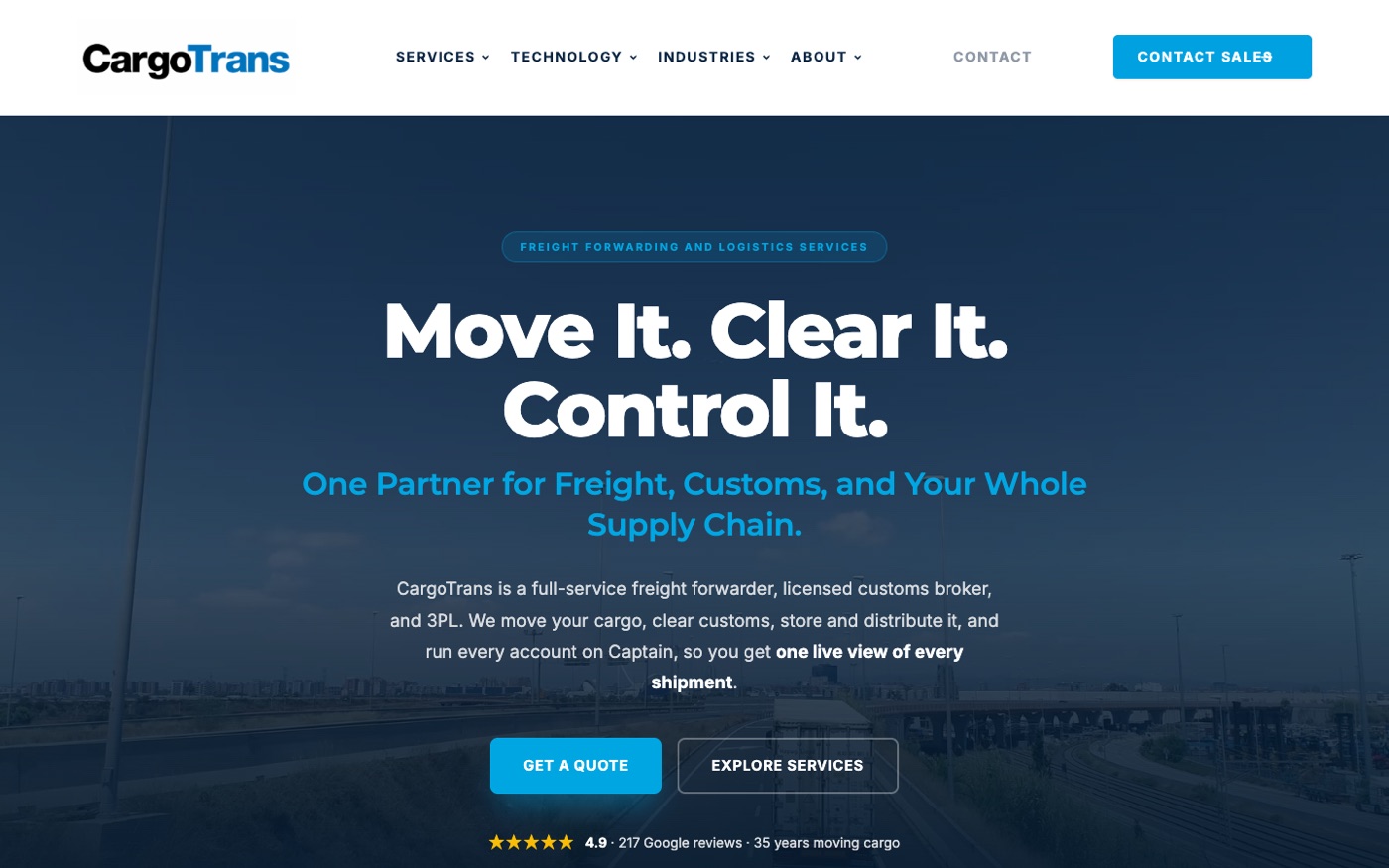 Customs broker & 3PL · New York, since 1989
CargoTrans
“They understand tariffs and trade compliance well enough to write about it; we only need to correct small details.”
Anthony DeFilippis, Co-CEO -
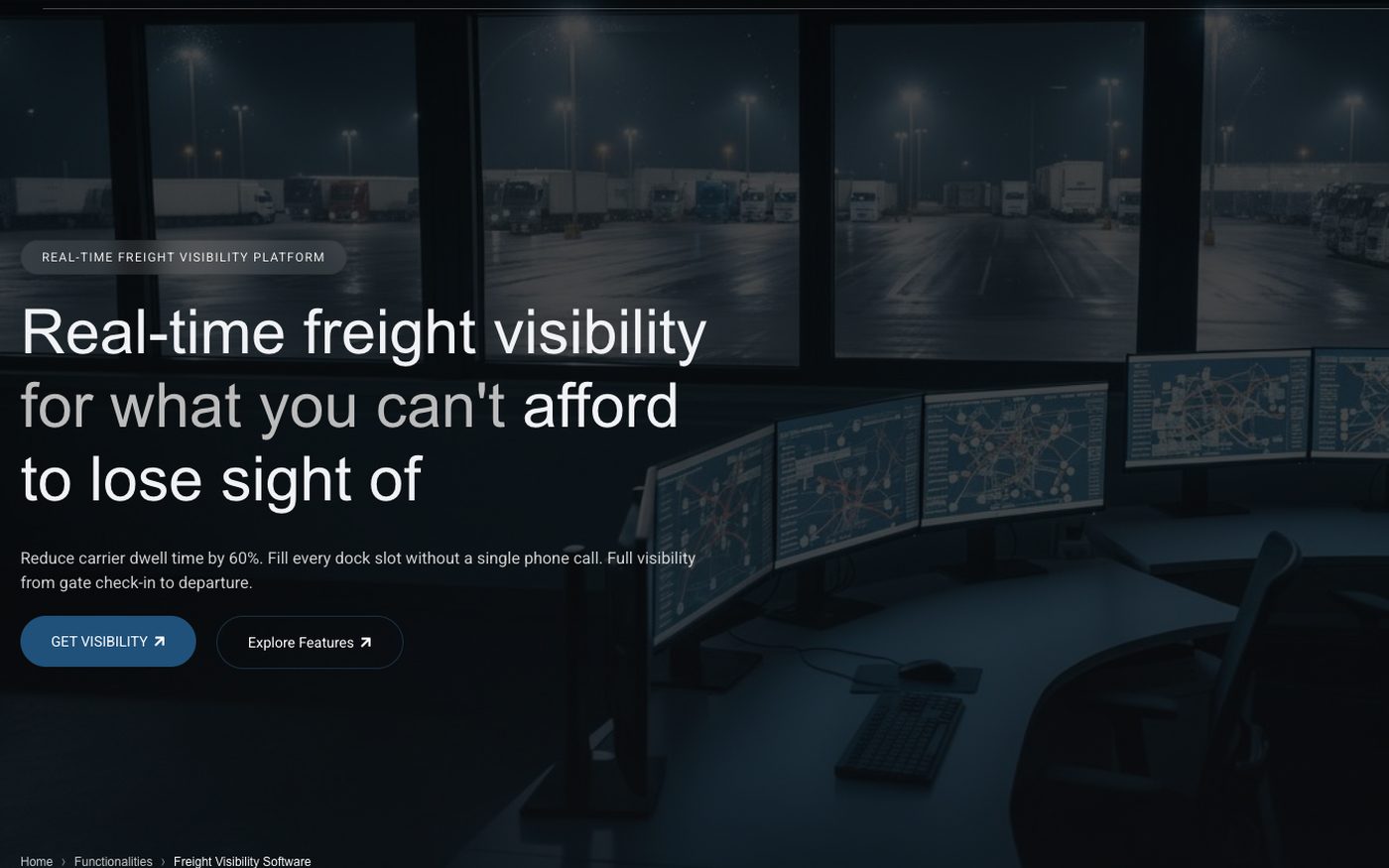 Freight management platform · UK
Trucks on the Map
A strong product with no website behind it. Built from zero around the four problems a transport planner has, with demo booking as the goal.
-
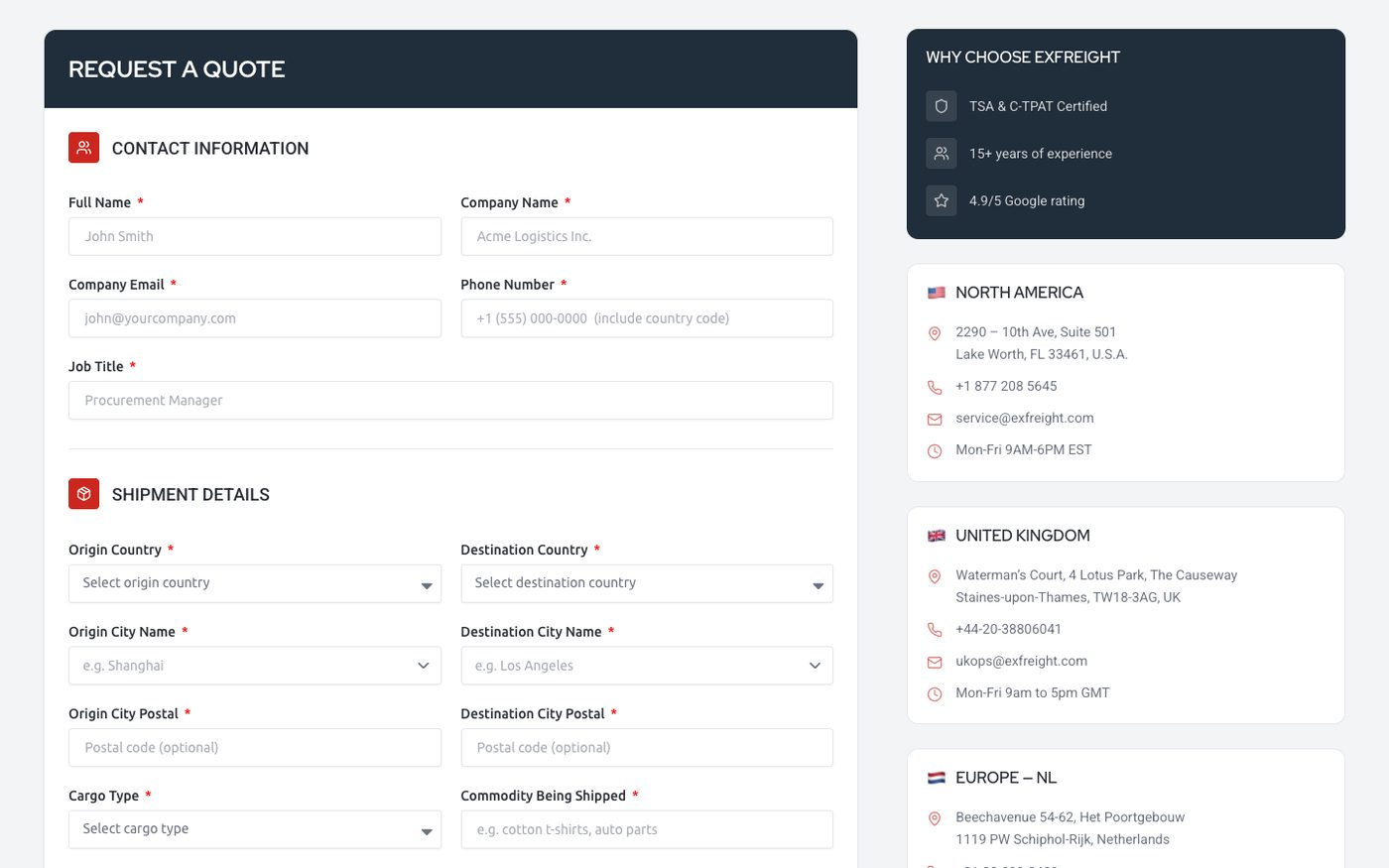 Freight forwarder · Florida
ExFreight
A site broken by a failed update. Rebuilt with plain-language service pages, a one-minute quote flow and every RFQ tracked.
Learn more
Related insights and resources
More on marketing, search and social media for trucking companies, and on drayage marketing.


More industries
Other logistics companies we market

FAQ
Questions about trucking marketing
How do trucking companies get direct shippers?
+
How do trucking companies get direct shippers?
+By being findable on the lanes they run and by contacting shippers before they need a carrier. In practice that means lane and equipment pages that rank, a Google Business Profile per terminal, and outbound to shippers on target corridors timed to a trigger such as a new facility or a bid season. Brokers stay useful for filling gaps, but contracted direct freight is what protects margin.
How do you get loads directly from shippers instead of brokers?
+
How do you get loads directly from shippers instead of brokers?
+Pick two or three lanes where you are strong and make that offer specific: equipment, transit time, service area and proof. Then reach the shippers moving freight on those lanes, through search, through outbound and through referrals from existing customers. Most carriers win their first direct shippers on backhaul lanes they already run empty.
Can ChatGPT or Perplexity recommend my trucking company?
+
Can ChatGPT or Perplexity recommend my trucking company?
+Yes, if they can find consistent facts about you. Assistants pull from your website, Google Business Profile, directories and articles that mention carriers on a lane. We align those sources, publish lane pages written as direct answers and track how often ChatGPT, Perplexity, Gemini and Claude name you. More in our GEO guide for logistics.
Do Google Ads work for trucking companies?
+
Do Google Ads work for trucking companies?
+They work on narrow, high-intent queries: a lane, an equipment type or a service area. They waste money on broad terms like "trucking company", which attract drivers looking for jobs and other carriers. We separate shipper campaigns from recruiting campaigns and judge ads on rate requests, not clicks.
Is marketing worth it for a small fleet?
+
Is marketing worth it for a small fleet?
+Often more than for a large one. A 20-truck regional carrier with a clear niche, such as flatbed in Texas or reefer out of the Central Valley, can own its corner of search and AI answers faster than a national fleet that serves everyone. What it needs is capacity to take new shippers and lanes it wants to grow.
How long does it take to see results?
+
How long does it take to see results?
+Outbound and search ads can produce conversations in the first weeks. Google Maps and local search usually move within two to three months. SEO and AI visibility compound over six months and longer. We plan the mix so the fast channels pay for the patience the slow ones need.
Can you help with driver recruiting too?
+
Can you help with driver recruiting too?
+Yes, as a separate path. Recruiting has its own audience, pages and campaigns, often on Meta and job boards. We keep it apart from shipper acquisition so each one is measured on its own numbers and neither dilutes the other.
Do you work with drayage companies?
+
Do you work with drayage companies?
+Yes. Drayage works the same way with a tighter geography: one port or rail ramp, and forwarders, NVOCCs and BCOs as buyers. The lane map becomes a terminal map, and outbound targets importers moving containers through your port. See our guide to marketing for drayage companies.
How much does it cost to hire a trucking marketing agency?
+
How much does it cost to hire a trucking marketing agency?
+It depends on how many channels you need and how many lanes you want to grow. We quote after a 30-minute call, once we know your fleet, lanes and current sources of freight, and we tell you if a channel is not worth it for your size. Book a call.
Get in touch
Talk to us about your lanes
Tell us what you sell and who buys it. We will tell you, honestly, whether this is the right channel for you and what it would take.
- 1 We reply within one business day, from a person, not a sequence.
- 2 A 30-minute call on what you sell, to whom, and how you close today.
- 3 If we can build demand for it, we say what it would take. If not, we say that too.
Prefer to talk now? Pick a 30-minute slot or write to hi@f5-out.io.